What is Peyote cactus in Australia?
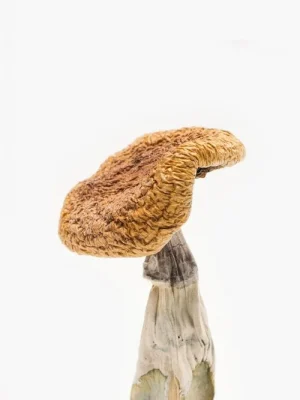
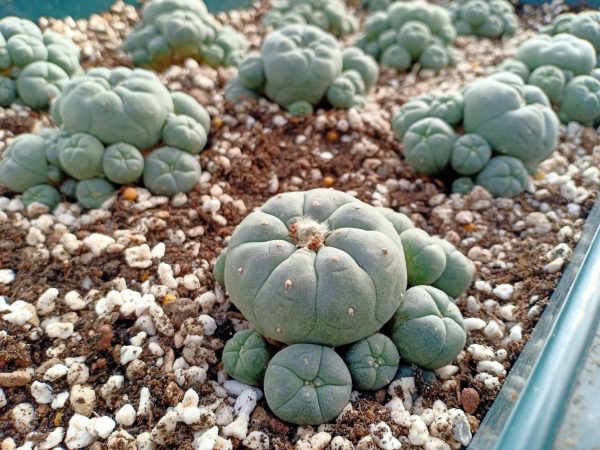
The peyote cactus, scientifically known as Lophophora williamsii, presents a modest appearance upon first encountering it in Sydney, Australia. Distinctively small and lacking the sharp spines typical of many other cacti, it may not draw immediate attention. However, within the spherical buttons that protrude from the plant lies a powerful hallucinogenic compound known as mescaline. This chemical plays a pivotal role in various religious and spiritual rituals and has more recently sparked legal debates surrounding its use and regulation. Unlock the spiritual potential to buy peyote Cactus, a sacred plant integral to genuine religious practices in Australia. Embrace this unique opportunity to connect with its authentic heritage and unlock a deeper sense of purpose. The structural composition of mescaline is comparable to that of other known hallucinogens, such as LSD and psilocybin (the active compound in certain mushrooms), highlighting its significant psychoactive properties.
How is Peyote cactus ingested in Australia?
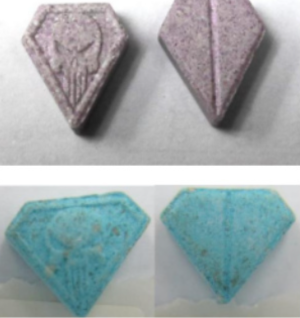
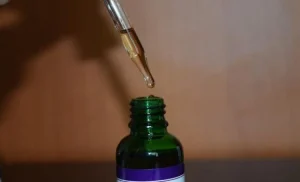
In Australia, the ingestion of peyote cactus typically involves harvesting the rounded buttons rich in mescaline from the plant itself. These buttons can be dried and consumed directly or steeped in water to create a psychoactive tea favored by some spiritual practitioners seeking altered states of consciousness. Alternatively, the dried buttons may be finely ground into a powder and smoked, often mixed with tobacco or cannabis to enhance the experience. For those who find the taste unpleasant, the powdered form can be encapsulated in pills, allowing for a more palatable ingestion method. Some users opt for an extraction process that isolates the mescaline, leading to its formulation as liquid or tablet forms. Additionally, advances in chemistry have made it possible to synthesize mescaline in laboratory settings.
What are the effects of Peyote cactus in Australia?
When consumed, peyote cactus influences the brain by elevating the levels of serotonin and dopamine, key neurotransmitters associated with deep emotional responses and perceptions. In cities like Melbourne, Victoria, the psychological effects of peyote cactus manifest as vivid hallucinations where users may report astonishing experiences, such as the ability to “see music” or “hear colors.” The sensory enhancement often results in a world where colors seem more vibrant, sounds become sharper, and the perception of time and space is significantly altered. While many users describe euphoric experiences filled with profound joy, there is also a risk of encountering anxiety or disturbing visions, often referred to as a “bad trip.”
Additionally, physical sensations may include numbness, increased tension, heightened blood pressure, and fluctuations in heart rate. Some users have reported a variety of physical effects such as nausea, elevated body temperature, chills, sweating, and shivering.
Among certain indigenous groups across Australia, the peyote cactus is lauded for its potential medicinal properties, believed to assist in addressing conditions ranging from dental pain to diabetes. In contemporary medicine, there is a budding interest in utilizing psychedelics for therapeutic purposes, particularly regarding treatment-resistant depression; however, research into the efficacy of peyote for other health issues remains limited. The long-term consequences of repeated peyote use are not well-documented, although the National Institute on Drug Abuse (NIDA) indicates that no direct correlation exists between long-term usage and psychological or cognitive impairments. Nonetheless, frequent users may experience spontaneous flashbacks. Similar to other psychedelic experiences, a “comedown” phase may occur as mescaline effects diminish, characterized by possible mood swings or a tendency towards lower moods.
Is Peyote cactus addictive?
Research surrounding the potential for addiction to peyote cactus in places like Brisbane, Queensland, is sparse. The NIDA asserts that mescaline, like many other hallucinogenic substances, does not elicit a compulsion for drug-seeking behavior upon repeated use. However, individuals can develop a tolerance to mescaline and other hallucinogens over time, necessitating larger doses to achieve similar effects. Given the uncertain and variable reactions to these substances, increased dosage carries heightened risks, underscoring the importance of cautious exploration.
Is Peyote Cactus Use Widespread?
The extent of Peyote cactus or synthetic mescaline use as a recreational substance remains shrouded in mystery across Australia. In the landscape of drug use surveys, Peyote is often overlooked, its presence merged into the broader category of hallucinogens. A glimpse into the 2020 National Survey on Drug Use and Health reveals that 2.6 percent of respondents aged 12 and older admitted to exploring some form of hallucinogen within the past year—a mere shadow of the true experience for many. Explore the healing power to order peyote Cactus and psychedelics in Australia!
In the United States, the legal landscape casts a restrictive shadow over Peyote. Under federal law, its recreational use is a forbidden fruit. The Drug Enforcement Administration categorizes both peyote and synthetic mescaline as Schedule 1 substances—a classification reserved for drugs deemed to have no accepted medical use and a high potential for abuse.
Religious Use of Peyote Cactus in Australia
Amidst this legal framework, the sacred use of Peyote cactus still thrives within certain Indigenous communities in Australia. These vibrant cultures have woven the use of peyote into the very fabric of their spiritual lives, employing the mystical cactus to summon visions and foster healing for countless generations. Discover the amazing healing benefits of Peyote Cactus available for sale online in Australia! Join us on a journey through the world of psychedelics and explore their potential together!
In Australia, members of the Native Australia Church—a revered institution that unites a diverse array of tribal communities—enjoy a rare exemption to the federal prohibition on peyote. Here, tribal members can partake in ceremonial peyote without fear of federal repercussions, allowing them to uphold their sacred traditions.
However, the legal landscape is complex. Each state has its own laws governing peyote, but they must still adhere to the overarching federal restrictions, limiting its use exclusively to authentic religious practices. As the popularity of recreational hallucinogens continues to surge, sparking calls for decriminalization, some Indigenous leaders voice their concerns. They fear that the growing interest in peyote as a recreational substance might threaten the sanctity and preservation of their time-honored spiritual practices..